
Ehrlichiosis in dogs: Understanding a serious tick-borne disease
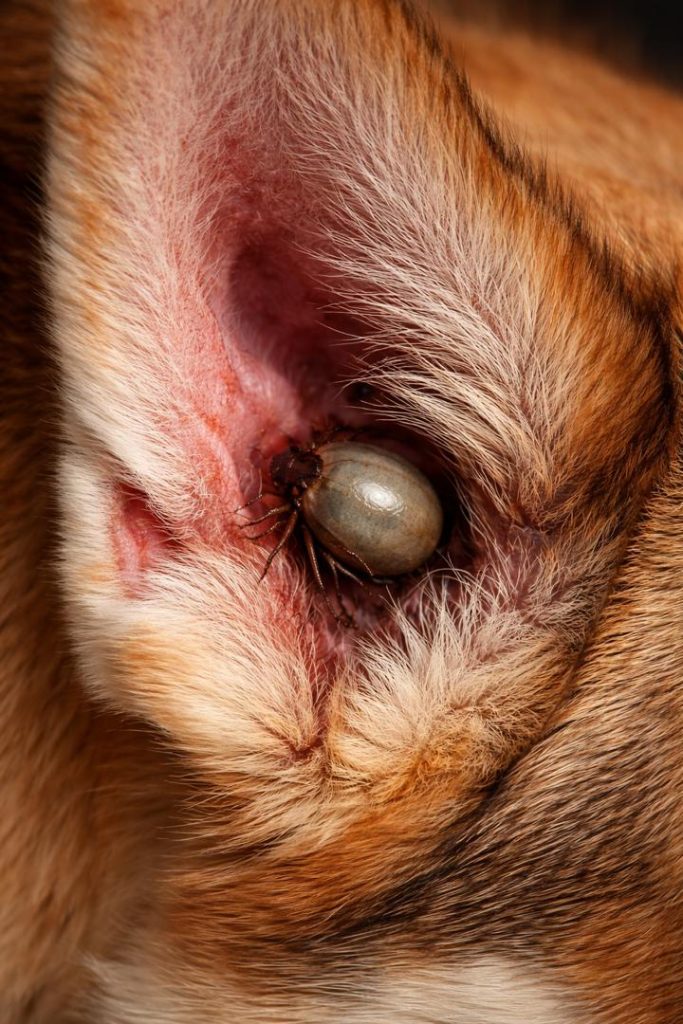
Ehrlichiosis is an important infectious disease of dogs that occurs worldwide and is particularly common in tropical and subtropical regions where ticks thrive. It is caused by bacteria belonging to the genus Ehrlichia, microscopic organisms that live inside certain types of white blood cells. In dogs, the most significant species is Ehrlichia canis, which primarily infects monocytes, a type of white blood cell involved in the immune response. The disease is transmitted mainly through the bite of the brown dog tick (Rhipicephalus sanguineus), a tick species that is well adapted to living around dogs and can survive in kennels, homes, and outdoor environments.
Ehrlichiosis is sometimes referred to as canine monocytic ehrlichiosis (CME). The disease can affect dogs of any age, breed, or sex, although dogs that spend more time outdoors or in environments where ticks are common are at a higher risk. Because the disease affects the blood and immune system, it can cause a wide range of clinical signs, some of which can be severe or even life-threatening if not diagnosed and treated early.
Transmission and Life Cycle
The primary mode of transmission of ehrlichiosis is through tick bites. When a brown dog tick feeds on the blood of an infected dog, it can ingest Ehrlichia organisms. The bacteria survive within the tick and may be transmitted to another dog during subsequent feeding. Transmission typicall
Feeding Brown dog ear tick
y occurs after the tick has been attached and feeding for several hours.
Unlike some parasites that are transmitted from the environment, ehrlichiosis depends heavily on the presence of infected ticks. The brown dog tick has a remarkable ability to survive in human dwellings, kennels, and animal shelters, making it a persistent problem in many communities. The tick undergoes several life stages larva, nymph, and adult and each stage may feed on dogs.
Because ticks can remain hidden in cracks, bedding, grass, or soil, dogs can be repeatedly exposed to tick bites without the owner noticing immediately. This makes tick control and prevention a critical component in managing and preventing ehrlichiosis.
What Happens in the Dog’s Body
Once the infected tick bites the dog and introduces the bacteria into the bloodstream, Ehrlichia organisms enter the white blood cells, particularly monocytes. Inside these cells, the bacteria multiply and form clusters known as morulae.
The infection triggers several pathological processes:
- Immune system activation
The dog’s immune system attempts to fight the infection, but this immune response can also contribute to tissue damage. - Destruction of blood cells
The disease can interfere with normal blood cell production and survival, resulting in conditions such as anemia (low red blood cells) and thrombocytopenia (low platelets). - Inflammation of blood vessels
Damage to blood vessels can lead to bleeding tendencies and organ dysfunction. - Bone marrow suppression
In chronic cases, the bone marrow may fail to produce sufficient blood cells, leading to severe complications.
These processes explain why dogs with ehrlichiosis often develop symptoms related to weakness, bleeding disorders, and immune dysfunction.
Stages of Ehrlichiosis
Ehrlichiosis typically progresses through three clinical stages: the acute stage, the subclinical stage, and the chronic stage. Understanding these stages helps veterinarians recognise and manage the disease effectively.
1. Acute Stage
The acute stage usually develops 1–3 weeks after the tick bite. During this phase, the bacteria spread through the bloodstream and infect white blood cells.
Common signs during the acute stage include:
- Fever
- Loss of appetite
- Lethargy or weakness
- Enlarged lymph nodes
- Mild weight loss
- Nasal discharge or eye discharge
- Enlarged spleen
One of the hallmark findings during this stage is thrombocytopenia, meaning the platelet count in the blood becomes significantly reduced. Platelets are essential for blood clotting, so their reduction can lead to bleeding problems.
Some dogs may show nosebleeds (epistaxis), small red spots on the skin (petechiae), or bruising due to impaired clotting.
If diagnosed early, treatment during the acute stage often results in a very good prognosis.
2. Subclinical Stage
After the acute stage, some dogs enter what is called the subclinical phase. During this stage, the dog may appear clinically normal, showing few or no obvious signs of illness.
However, the bacteria remain in the body, often residing in the spleen and other tissues. This stage may last months or even years.
Even though the dog may look healthy, blood tests often reveal abnormalities such as:
- Low platelet counts
- Mild anemia
- Changes in white blood cell counts
Some dogs successfully eliminate the infection during this phase, while others progress to the chronic stage.
3. Chronic Stage
The chronic stage represents the most severe form of ehrlichiosis. It occurs when the infection persists and leads to progressive damage to the bone marrow and immune system.
Dogs in the chronic stage may develop:
- Severe weight loss
- Pale gums due to anemia
- Persistent fever
- Weakness and depression
- Bleeding tendencies (nosebleeds, bleeding gums, bruising)
- Swollen limbs or fluid accumulation
- Eye problems such as uveitis
- Neurological signs in severe cases
One of the most serious complications is bone marrow suppression, where the body fails to produce adequate red blood cells, white blood cells, and platelets. This condition can lead to life-threatening infections, severe anemia, and uncontrolled bleeding.
Without treatment, chronic ehrlichiosis can be fatal.
Diagnosis of Ehrlichiosis
Accurate diagnosis requires a combination of clinical evaluation, laboratory testing, and medical history, particularly the history of tick exposure.
Veterinarians commonly use the following diagnostic approaches:
1. Complete Blood Count (CBC)
A CBC is often the first laboratory test performed. Typical findings in ehrlichiosis include:
- Thrombocytopenia (low platelet count)
- Anemia (low red blood cells)
- Changes in white blood cell counts
These findings raise suspicion for tick-borne diseases.
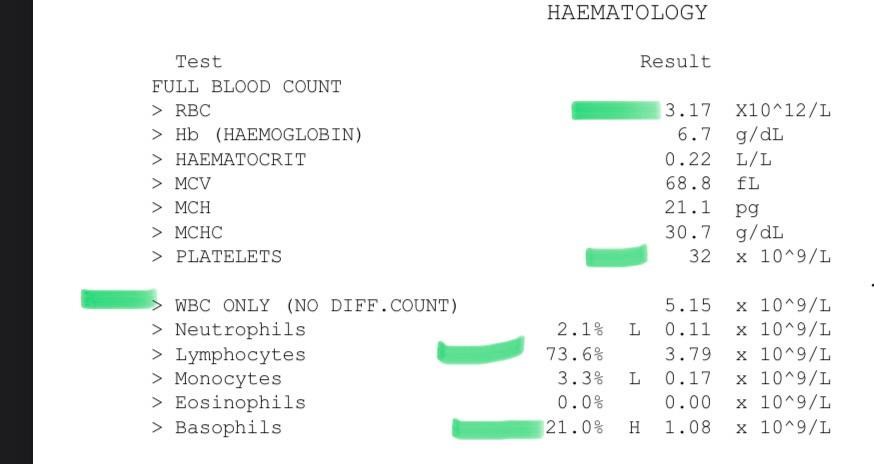
Complete blood picture panel
2. Blood Smear Examination
In some cases, veterinarians may observe morulae (clusters of bacteria) inside white blood cells under the microscope. However, this finding is relatively uncommon and may not always be present.
3. Serological Tests
Tests such as ELISA or antibody tests can detect antibodies against Ehrlichia. These tests indicate exposure to the organism but may not distinguish between current and past infections.
4. PCR Testing
Polymerase Chain Reaction (PCR) tests detect the genetic material of the bacteria and are considered a more precise method of confirming active infection.
Diagnosis often involves interpreting these laboratory results together with the dog’s clinical signs and exposure history.
Prognosis
The prognosis for dogs with ehrlichiosis depends largely on how early the disease is detected and treated.
- Acute stage: Prognosis is usually very good with prompt treatment.
- Subclinical stage: Many dogs respond well to treatment.
- Chronic stage: Prognosis becomes guarded to poor, especially when bone marrow failure occurs.
Early recognition and veterinary intervention significantly improve outcomes.
Prevention
Because ehrlichiosis is transmitted by ticks, tick control is the most effective strategy for prevention.
Important preventive measures include:
- Regular tick control treatments
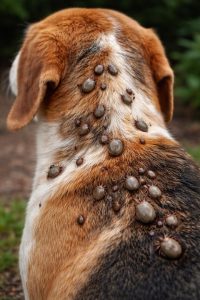
Using veterinarian-recommended tick preventatives such as spot-on treatments, oral med
Multiple ticks on a dog
ications, or tick collars.
- Routine inspection of dogs
Checking dogs regularly for ticks, especially around the ears, neck, between toes, and under the tail. - Environmental control
Maintaining clean kennels, yards, and sleeping areas to reduce tick habitats. - Prompt tick removal
Removing ticks carefully using tweezers or tick removal tools to reduce disease transmission. - Regular veterinary check-ups
Routine health screenings can help detect early signs of tick-borne diseases.
Final Message
Ehrlichiosis is a serious but preventable and treatable disease when recognized early. Protecting dogs from ticks, seeking veterinary care promptly when symptoms appear, and maintaining regular health monitoring are key steps in safeguarding canine health.
Through continued education, early diagnosis, and effective prevention strategies, veterinarians and pet owners can work together to minimize the impact of this tick-borne disease.