
BLOG
Canine Parvovirus in Uganda: Understanding the Current Increase in Cases
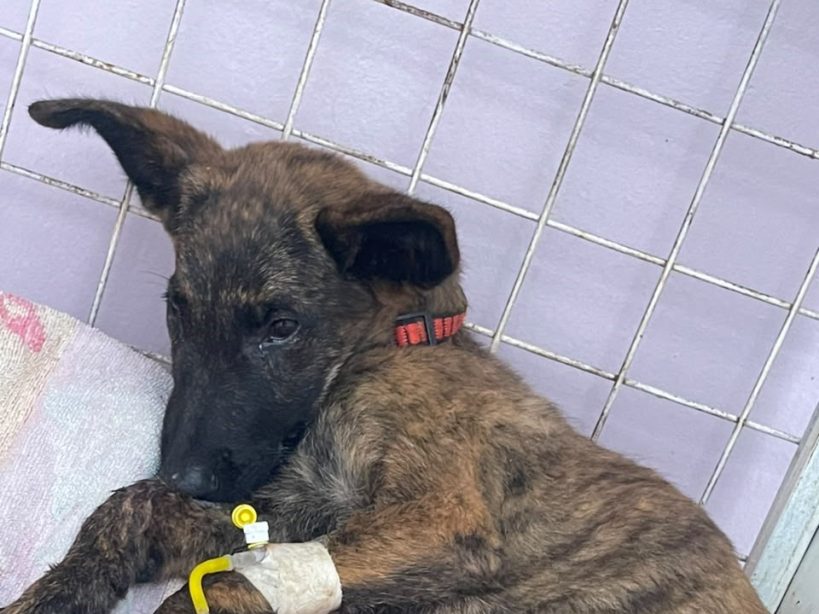
Uganda is experiencing a concerning increase in reported canine parvovirus cases. Breeders and dog owners are worried, and at Vetlit Animal Clinic, we have been confirming more cases among dog
s brought to the clinic for medical care. Amid the growing number of cases, questions are being raised about the effectiveness of the parvovirus vaccines currently available on the market. Some breeders have reported that puppies vaccinated against parvovirus are still becoming infected after exposure, leading to concerns that circulating vaccines may no longer be providing adequate protection.
Our experience at Vetlit, however, presents an interesting perspective. Puppies vaccinated at our clinic according to our structured vaccination protocol have, to date, not developed parvovirus infection despite the current increase in cases. This observation gives us confidence that properly administered parvovirus vaccines can provide effective protection.
If the vaccines are effective, why are some vaccinated puppies still developing severe parvovirus infection and, in some cases, dying? The answer may be more complex than simply blaming the vaccine. Parvovirus infection is influenced by several interacting factors, including the puppy's age, maternal antibodies, timing and number of vaccine doses, immune status, vaccine handling and administration, intensity of environmental exposure, and the characteristics of the virus itself. I explore this question through both the available scientific evidence and my recent clinical experience managing parvovirus cases during the current outbreak. In particular, I reflect on two cases that we managed during this period in which the affected puppies ultimately succumbed despite receiving veterinary care.
What is canine parvovirus?
Canine parvovirus type 2 (CPV-2) is a highly contagious virus that most severely affects young puppies and dogs without adequate immunity. It attacks rapidly dividing cells, particularly cells in the intestinal lining and bone marrow. Parvo infection can cause vomiting, diarrhea (sometimes bloody), dehydration, weakness and a low white blood cell count. Severe disease can be fatal.
CPV is a small, non-enveloped virus with a single-stranded DNA genome enclosed in a protein capsid. The absence of a lipid envelope makes it resistant to many environmental conditions and common cleaning agents. The virus can persist in contaminated surroundings, so exposure may occur through contaminated faeces, surfaces, equipment, footwear or other fomites. This environmental stability helps explain why the virus spreads readily and why careful isolation and cleaning matter. The major antigenic variants commonly discussed are CPV-2a, CPV-2b and CPV-2c. These variants are closely related and mutations do occur amongst them.
Why can vaccinated puppies still become infected?
Vaccination is the most effective way to prevent severe parvovirus disease, but a puppy is not necessarily protected as soon as it receives an injection. Protection depends on the puppy mounting an immune response, and several factors can affect that process. Puppies receive maternal antibodies from their mothers, mainly through colostrum. These antibodies help protect them early in life. However, while maternal antibody levels are still high enough, they interfere with the vaccine, they neutralize the vaccine before the puppy develops its own protective response. Later, as those antibodies decline, they may no longer protect well against natural infection. This interval is known as the window of susceptibility or immunity gap.
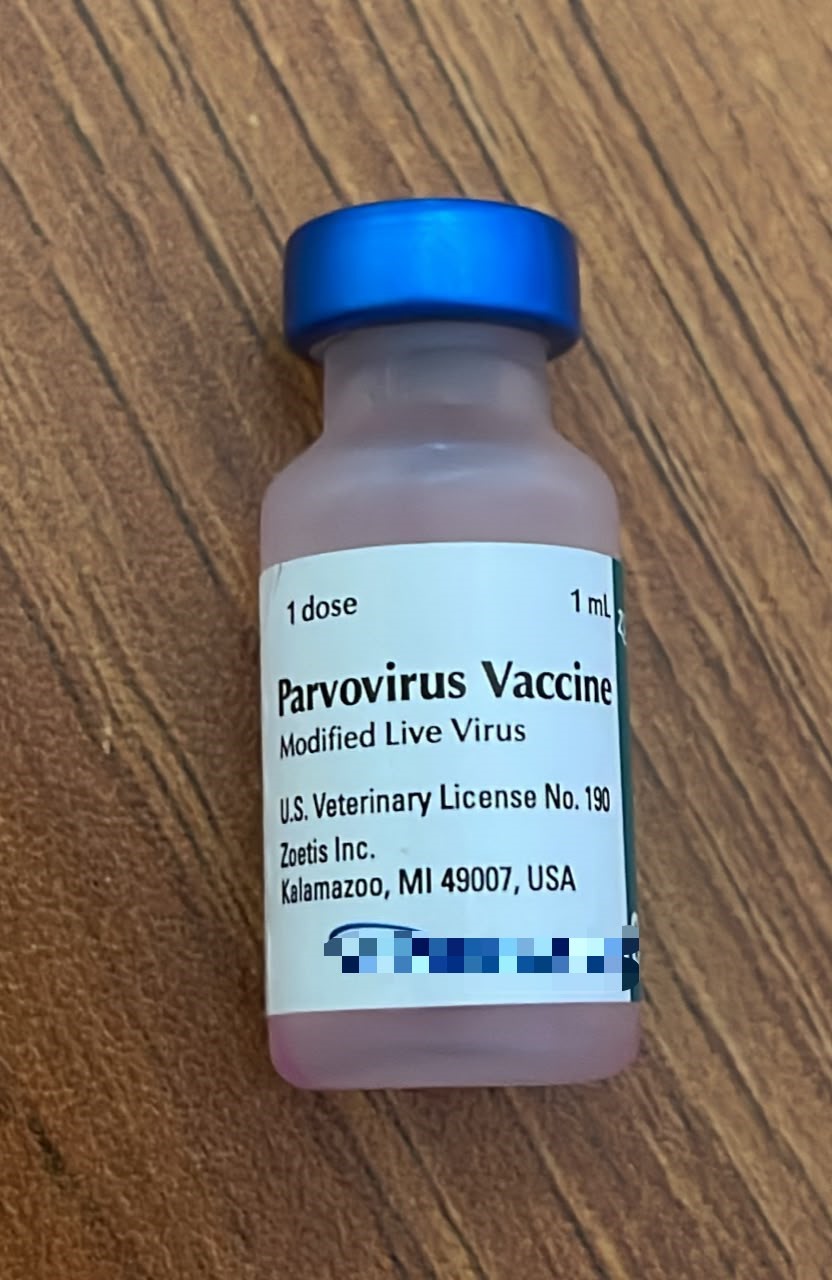
For this reason, a fixed number of injections, such as two, does not guarantee protection for every puppy. Puppy schedules use repeated doses at appropriate intervals, with the final dose given at an age when maternal antibody interference is less likely. The correct schedule depends on the puppy’s age, history, risk and the vaccine product. A veterinarian should guide the programme.
Other possible contributors to apparent vaccine failure include incomplete schedules, an unsuitable interval between doses, poor storage or cold-chain breaks, administration errors, illness or immune compromise, and intense exposure before immunity develops. When a vaccinated dog develops compatible illness, the vaccination record, clinical diagnosis and possible alternative causes should be reviewed. Such a case does not automatically show that the vaccine itself is ineffective.
What might explain the current increase in cases?
There is no confirmed single explanation for the apparent increase in Uganda. The following are plausible factors to consider, not established causes of this outbreak
-
An established virus encountering more susceptible dogs
Canine parvovirus is not a new disease in Uganda. It is an endemic and established pathogen within the canine population, meaning that the virus is already circulating among dogs in the country. This is important because an outbreak does not necessarily mean that a new virus has entered the country. An increase in cases can occur when existing environmental, population or biological conditions become favourable for transmission. Because CPV can persist in contaminated environments, previously contaminated areas may remain a source of exposure. Rainfall and changing conditions could alter where faecal material and contamination are deposited where puppies get the virus and become infected
2. Maternal antibodies and gaps in puppy immunity
Maternal antibody interference is a well-established reason that young puppies need a series of vaccinations. If the timing leaves a puppy with declining maternal protection but without active vaccine-derived immunity, that puppy may remain vulnerable. This mechanism could contribute to cases in incompletely protected puppies. This is the major cause of complaints amongst breeders.
3. Environmental conditions may be facilitating transmission
Uganda has recently experienced periods of substantial rainfall. Parvovirus is an exceptionally resilient, non-enveloped virus capable of surviving for prolonged periods in contaminated environments. The rains may have distributed faecal matter that has become the source of the virus leading to the current events.
4. Puppy movement and seasonal demand
Periods of increased puppy demand may lead to more breeding, sales and movement of young dogs between breeders and homes. More movement and contact can create additional opportunities for exposure, while increasing the number of young, incompletely vaccinated puppies at risk. This is a plausible way market activity could amplify observed cases, but its contribution has not been measured.
5. A possible change in virus variant
Some breeders and veterinary professionals have asked whether a different or more virulent CPV variant might be involved. This is a hypothesis worth investigating, particularly in light of unusual clinical reports. A small genetic change in a circulating variant could also be considered, but its presence would not by itself show that the virus had become more virulent or more lethal. Clinical severity alone cannot identify a variant or establish the effect of a mutation. Laboratory testing, including PCR and sequencing of the viral VP2 gene, would be needed to characterise the viruses circulating in affected dogs. Until such evidence is available, a new or more lethal strain should not be presented as confirmed.
What we have observed in recent cases.
During previous outbreaks, our clinic’s recorded experience with its treatment protocol has been encouraging, with an approximately 80% survival rate among the cases managed. This is a clinic-reported figure, not a universal prognosis: outcomes vary with disease severity, how early treatment begins, concurrent complications and the care available. In our experience, the first three to four days after treatment begins are often particularly important. Puppies may arrive with vomiting, profuse or bloody diarrhoea, lethargy, loss of appetite, dehydration and weakness. Close monitoring and prompt supportive care have often been followed by substantial improvement.
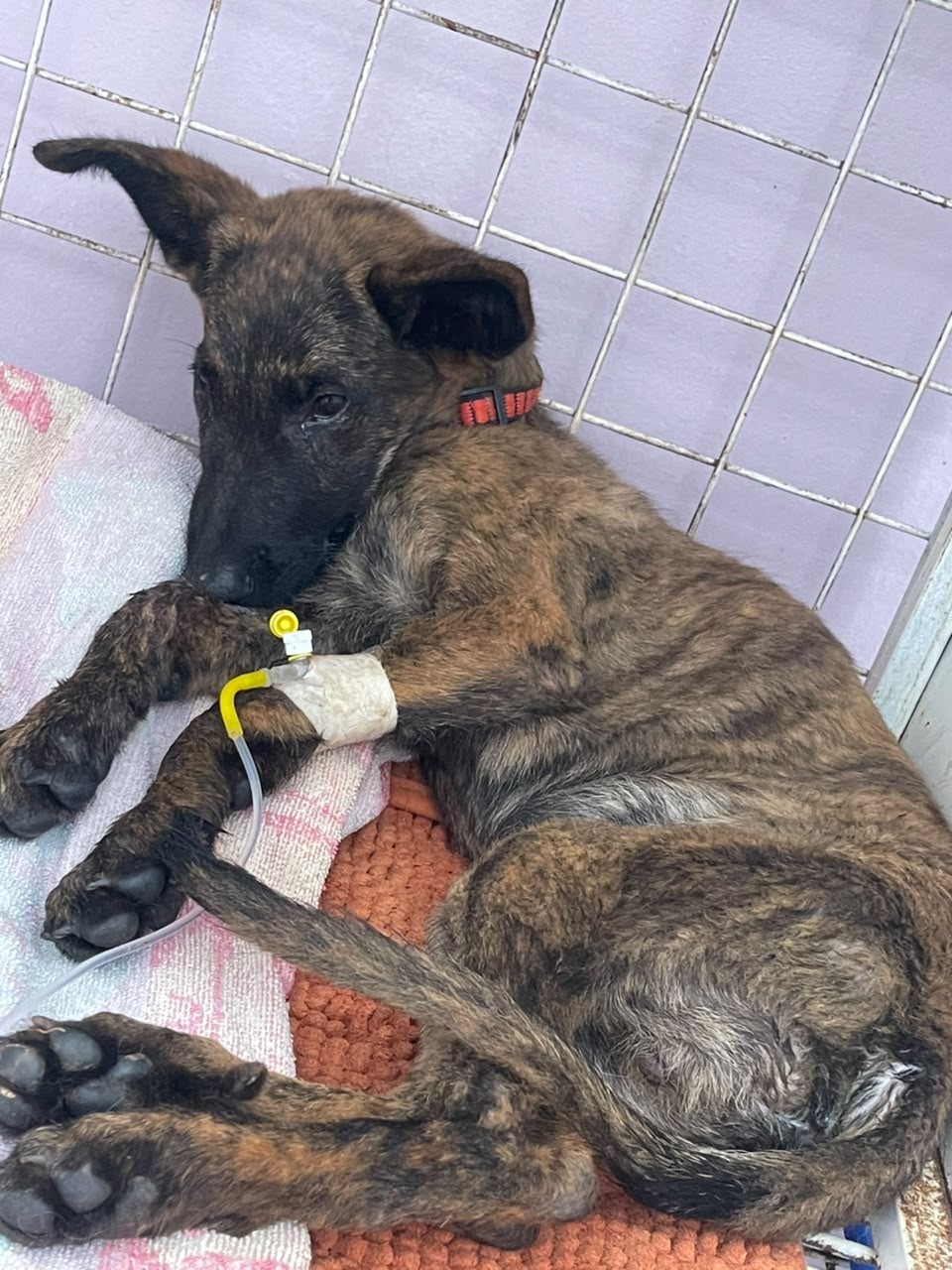
Two cases during the current outbreak followed a different course. Both puppies arrived critically ill and close to decompensation. We began our established intensive-care protocol. By approximately days three and four, both appeared to improve: their energy returned, they showed interest in food, and vomiting and diarrhoea had largely resolved.
Then, on approximately day four in one case and day five in the other, each puppy deteriorated acutely. Their temperatures rose to about 39.5°C and 39.4°C. Both developed severe abdominal pain, became laterally recumbent and had congested mucous membranes. Despite continued intervention, both died.
These observations are deeply concerning, particularly because the initial improvement suggested recovery was underway. They were no longer following the typical trajectory we had become accustomed to seeing in successfully recovering parvovirus patients. Instead, they appeared to enter a sudden secondary crisis after an initial period of improvement. What we can say from our clinical experience is that some patients during the current outbreak appear to be following a different and more unpredictable clinical trajectory from what we have previously observed.
Treatment and prognosis.
There is no routinely available treatment that simply eliminates CPV once infection is established. Treatment is primarily supportive: it corrects fluid and electrolyte losses, supports circulation and nutrition, controls vomiting and pain, and addresses complications such as secondary bacterial infection when clinically indicated. The treating veterinarian tailors care to the individual patient.
At Vetlit, we manage parvovirus as a serious, potentially life-threatening illness. Depending on severity, monitoring may include temperature, hydration and perfusion, blood glucose, mucous membrane colour, heart and respiratory rates, urine output and relevant laboratory results. The aim is to detect deterioration early and respond before shock or organ dysfunction becomes irreversible.
Severe disease can involve hypovolaemic shock from fluid loss, damage to the intestinal barrier, bacterial translocation, sepsis or endotoxaemia, metabolic disturbances and secondary organ dysfunction. A puppy’s course can change quickly, and temporary improvement does not remove the need for close observation.
In the two recent cases, we suspect a severe systemic inflammatory or toxic complication may have contributed to the sudden deterioration. Damage to the intestinal barrier can allow bacteria and bacterial products to enter the circulation, potentially contributing to sepsis, endotoxaemia and circulatory failure. This is a working hypothesis only. We did not confirm toxaemia in these patients, and other explanations—including sepsis, acute inflammatory deterioration, metabolic problems or other complications—remain possible. Further diagnostic information would be needed to determine the cause.
Parvovirus is not automatically a death sentence. Published outcomes vary with the patient’s condition and the treatment setting, but many puppies survive with timely, appropriate veterinary care. The clinic’s historical survival experience is encouraging, while the two recent deaths remind us that every case carries risk and requires careful monitoring.
Prevention and practical steps
Follow a veterinarian-guided vaccination programme
Vaccination remains the strongest defence against severe parvovirus disease. Use a suitable vaccine obtained through a legitimate veterinary supply chain, and ensure that it is stored, transported and administered according to the manufacturer’s directions. A well-made vaccine may not produce the expected response if the cold chain is broken or it is handled or administered incorrectly.
Do not rely on a universal rule such as “two shots are enough.” Because maternal antibodies vary between puppies, a veterinarian should plan the series and ensure it continues to the appropriate age. Keep written records of dates and products used, and ask the veterinarian when the puppy can safely mix with other dogs and visit higher-risk places.
Reduce exposure while immunity develops
Until the puppy has completed its primary vaccination programme and a veterinarian advises that protection is expected, avoid contact with sick or unknown-status dogs and heavily contaminated areas. Use good hygiene, isolate suspected or confirmed cases, and clean and disinfect suitable surfaces with products effective against parvovirus. Because the virus resists many common disinfectants, follow veterinary and product guidance for cleaning.
Seek veterinary care early
Vomiting, diarrhoea—especially bloody diarrhoea—marked tiredness, loss of appetite or weakness in a puppy warrants urgent veterinary attention. Do not wait for signs to become severe. Early assessment and supportive care offer the best opportunity to address dehydration, shock and other complications promptly.
Conclusion
The increase in canine parvovirus cases in Uganda is concerning, but its cause has not yet been established. The virus is resilient and already known in canine populations; maternal antibody interference and gaps in vaccination can leave puppies vulnerable; and movement of young dogs may increase opportunities for exposure. A more virulent variant remains a question for laboratory investigation, not a confirmed explanation.
Our recent cases remind us that parvovirus can take an unpredictable course, even after initial improvement. They also reinforce the importance of sound vaccination programmes, early veterinary care, isolation and close monitoring.
Vaccinate according to veterinary advice, protect puppies while immunity develops, and seek veterinary attention immediately if signs appear.
Veterinary references.
- World Small Animal Veterinary Association (WSAVA), 2024 Guidelines for the Vaccination of Dogs and Cats
https://wsava.org/wp-content/uploads/2024/04/WSAVA-Vaccination-guidelines-2024.pdf. - American Animal Hospital Association (AAHA), Canine Parvovirus Vaccination Guidelines
https://www.aaha.org/resources/2022-aaha-canine-vaccination-guidelines/canine-parvovirus-cpv/.
Merck Veterinary Manual, Canine Parvovirus Infection
https://www.merckvetmanual.com/digestive-system/infectious-diseases-of-the-gastrointestinal-tract-in-small-animals/canine-parvovirus-infection-parvoviral-enter